
Making Space at the Center
The Archie L. Buffkins Legacy Archive
Recovering a Hidden Chapter of Black Arts Leadership
A living archive documenting the work, vision, and cultural impact of Dr. Archie L. Buffkins and the national initiatives he helped lead to expand Black participation in the arts during a pivotal moment in American cultural history.
“The arts of the minority people must be preserved and promoted if those people are to prosper and leave their legacy to aid in humanity.”
~Archie Buffkins, National Public Policy Agenda for Blacks in the Art, 1979
Why This Matters Now
Stories don't disappear all at once.
They fade quietly over time as people retire, institutions change, photographs are tucked away, and memories become harder to recall.
Creating this archive is my way of honoring my father's life and preserving the story of someone whose work helped create opportunities for others through education, leadership, and the arts.
While this project celebrates one man's journey, it also serves as a reminder that every family has stories worth preserving, contributions worth remembering, and legacies worth sharing with future generations.
A Legacy That Shaped My Own Life
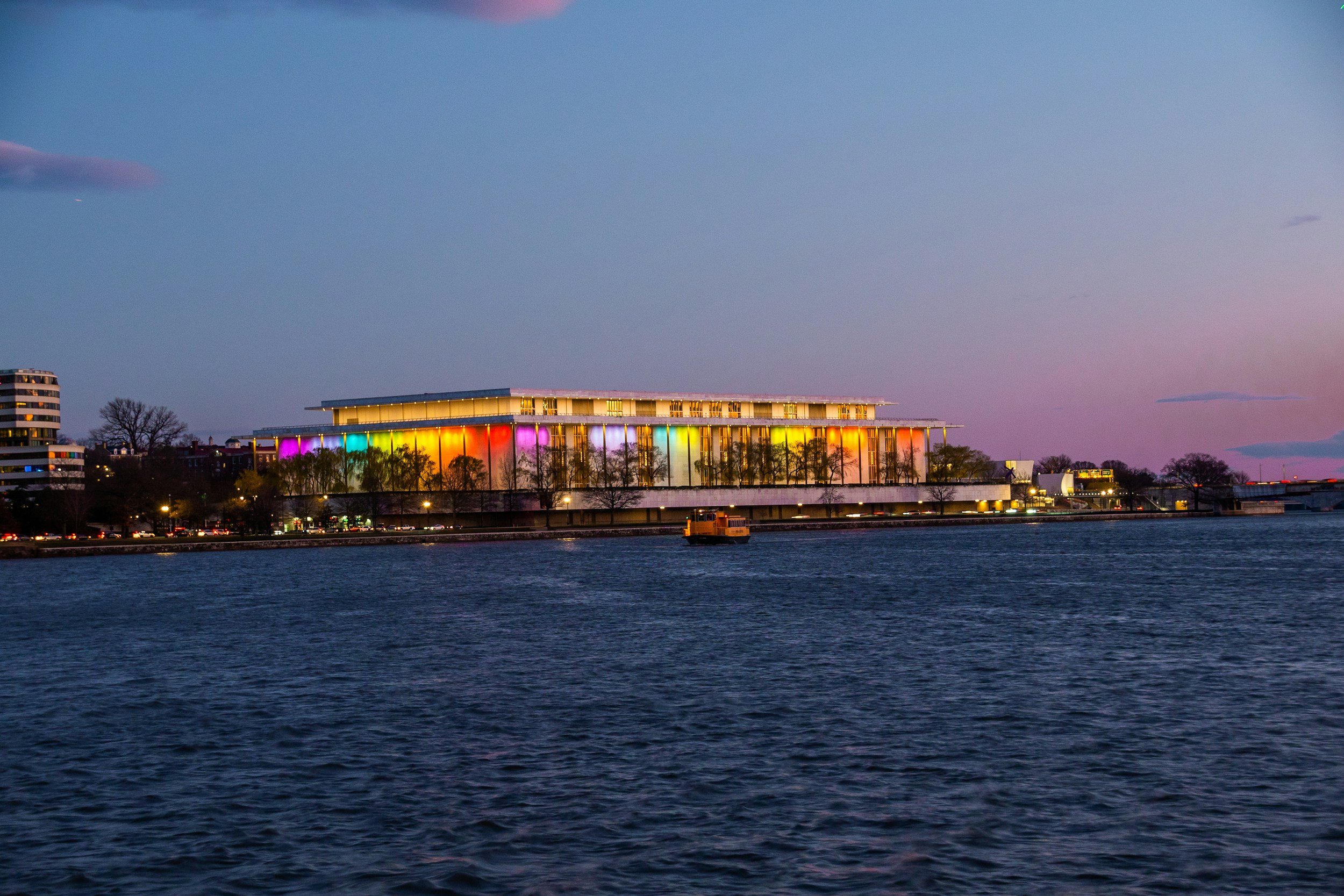
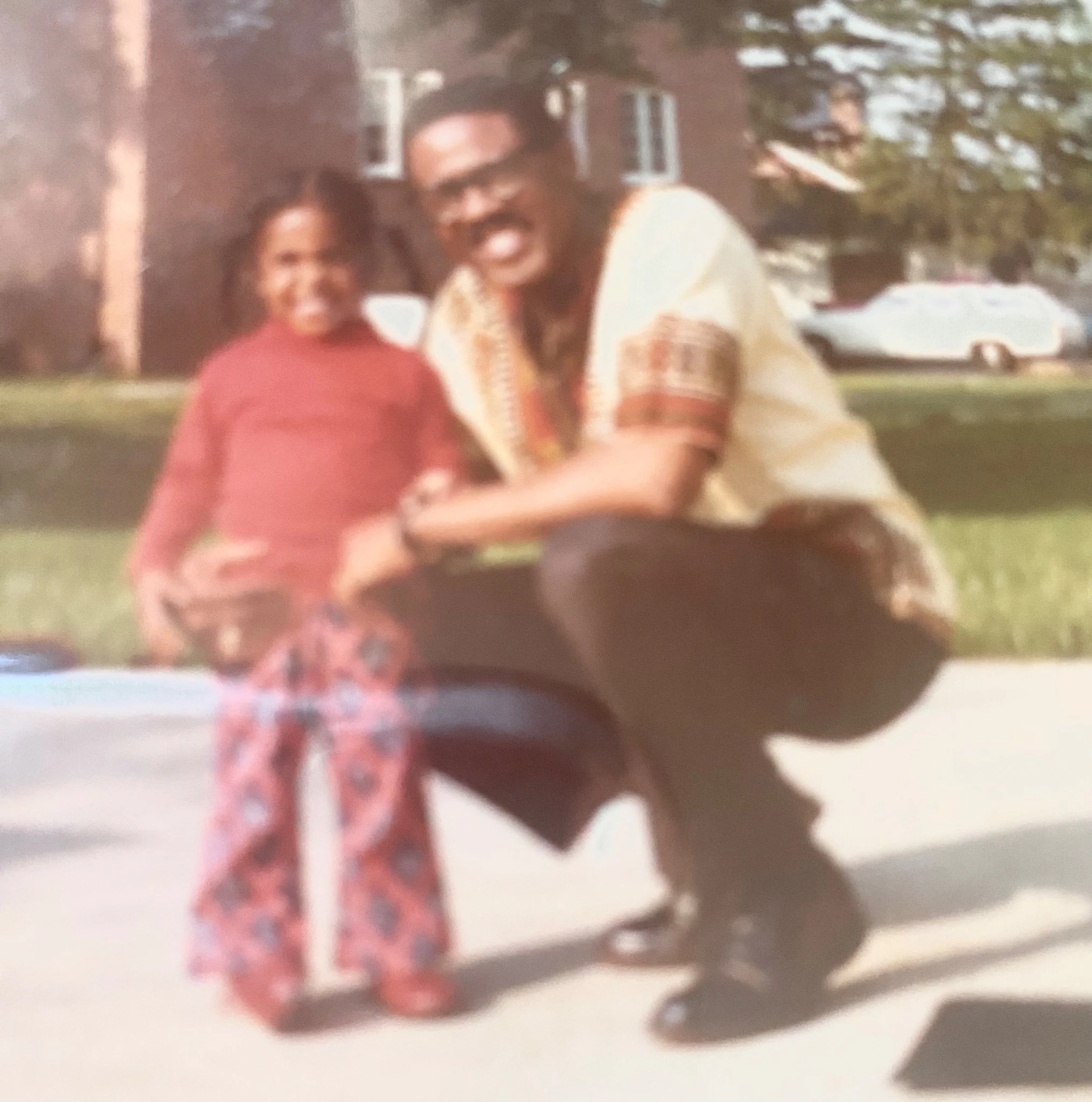
My father's career spanned education, music, public broadcasting, arts leadership, and cultural advocacy. Throughout his life, he believed the arts should be accessible to everyone and worked to create opportunities that broadened representation and opened doors for future generations. Among his many leadership roles, he served as Director of Cultural Diversity Affairs at the Kennedy Center, where he championed greater inclusion and participation in the arts.
His influence reached countless students, artists, colleagues, and communities. But the legacy that has stayed with me most wasn't found in his titles—it was found in the everyday lessons he shared.
Long before I understood the phrase critical thinking, my father was teaching it. He would hand me three different newspapers covering the same story and ask me to read each one before forming my own opinion. He wanted me to ask questions, consider different perspectives, and think for myself. Those lessons shaped how I navigate the world, how I build relationships, and how I approach both my work and my life.
This project is my way of honoring both the public legacy he leaves behind and the quieter, personal legacy that continues to guide me every day.
In His Own Words
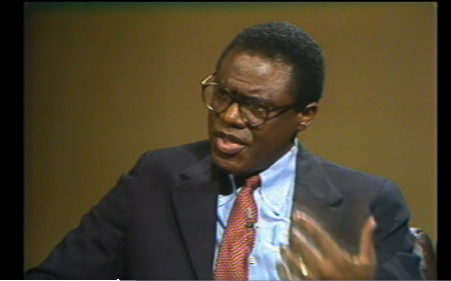
Originally aired June 9, 1982, this interview with Maryland Public Television features conversation with Rick Breitenfeld.
At the time, Dr. Buffkins was serving as a consultant to the Chairman of the John F. Kennedy Center for the Performing Arts, Roger L. Stevens, and as president of the National Committee on Cultural Diversity in the Performing Arts.
Educator. Cultural Leader. Champion for the Arts.
Dr. Archie Lee Buffkins devoted his life to education, the arts, and creating opportunities for others. Throughout a distinguished career spanning higher education, public broadcasting, and cultural leadership, he worked to expand representation, encourage dialogue, and strengthen the role of the arts in communities across the country.
His leadership included serving as Chancellor of the University of Maryland Eastern Shore, Assistant Dean for Graduate Studies at the University of Maryland, College Park, and Director of Cultural Diversity Affairs at the John F. Kennedy Center for the Performing Arts. He also held leadership and faculty positions at Jackson State University, Kentucky State University, Texas Southern University, Rhode Island College, and Morristown College, while later contributing to Maryland Public Television, Sinclair Broadcast Group, and the Legacy of Learning Corporation.
Whether mentoring students, leading institutions, or advocating for greater inclusion in the arts, Dr. Buffkins believed that culture should be preserved, celebrated, and shared. One of his guiding beliefs continues to resonate today:
"The arts are the driving forces of a people when all has been tried and all has been said."
Today, this page serves as a personal tribute to his life and work. As new photographs, documents, writings, and memories continue to surface, this collection will grow—preserving not only the milestones of his career, but the values, relationships, and legacy that continue to inspire our family.
Building Space for Black Arts & Culture
Three national initiatives that expanded visibility, opportunity, and cultural dialogue in the arts.
-
Established at John F. Kennedy Center for the Performing Arts in 1977, the National Black Commission was created to expand the scope and constituency of Black participation in the performing arts. Under the leadership of Archie Lee Buffkins, the Commission brought together artists, educators, administrators, and cultural leaders from across the country to address representation, access, cultural equity, and institutional change within the arts.
-
Developed during the late 1970s and early 1980s, the National Black Theatre & Playwrights Project focused on expanding opportunities for Black theatre artists, playwrights, and productions. The initiative supported the development and presentation of Black stories and voices within the national performing arts landscape while encouraging broader conversations around representation, artistic access, and cultural storytelling.
-
Launched in 1980, the National Black Music Colloquium & Competition was a national initiative designed to recognize, support, and elevate Black composers and musicians. Through competitions, performances, regional programs, and educational gatherings, the project celebrated the excellence and diversity of Black musical artistry while creating greater visibility and opportunity for emerging talent nationwide.goes here
With Gratitude
Thank you to the Archival Team at the John F. Kennedy Center for the Performing Arts for their care, assistance, and commitment to preservation.
Their support made it possible to reconnect with an important chapter of Black arts leadership and cultural history.